Babbage's Analytical Engine: The Dawn of Computing's Blueprint
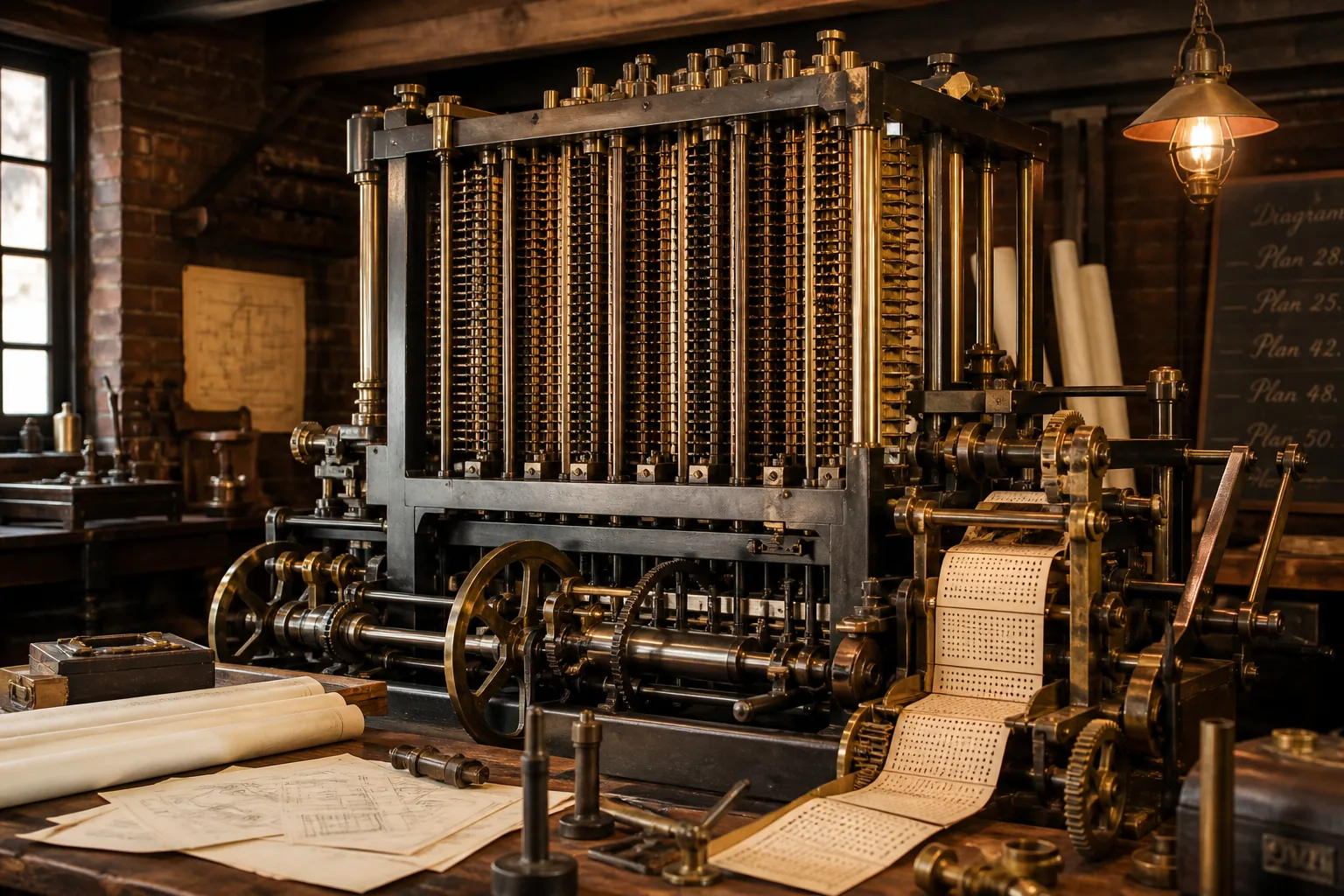
In 1837, Charles Babbage introduced the world to the concept of the Analytical Engine, a revolutionary design laying the foundation for modern computers. Envisioned as the first mechanical, general-purpose programmable computer, Babbage's engine used punched cards for its operations, similar to the weaving looms of the time. His ambitious design included an arithmetic logic unit, control flow through conditional branching and loops, and memory. Remarkably ahead of his time, Babbage's vision aligned closely with what we recognize today as the core components of computing.\n\nHowever, Babbage faced insurmountable challenges in bringing his theoretical designs to fruition. The technological capabilities of the 19th century were insufficient to materialize such a complex machine. Coupled with financial constraints and lack of support, Babbage's Analytical Engine remained incomplete in his lifetime. Nevertheless, his pioneering work set the stage for future inventors and paved the way for the age of digital computing. Though the engine was never built, it remains a critical milestone in technology history, showcasing the foresight and creativity that drive continual innovation. Through Babbage's explorations, we appreciate how visionary ideas can shape future realities, even if they seem impossible at their inception.


Comments
Post a Comment