Dolphins communicate using clicks, whistles, and body language.
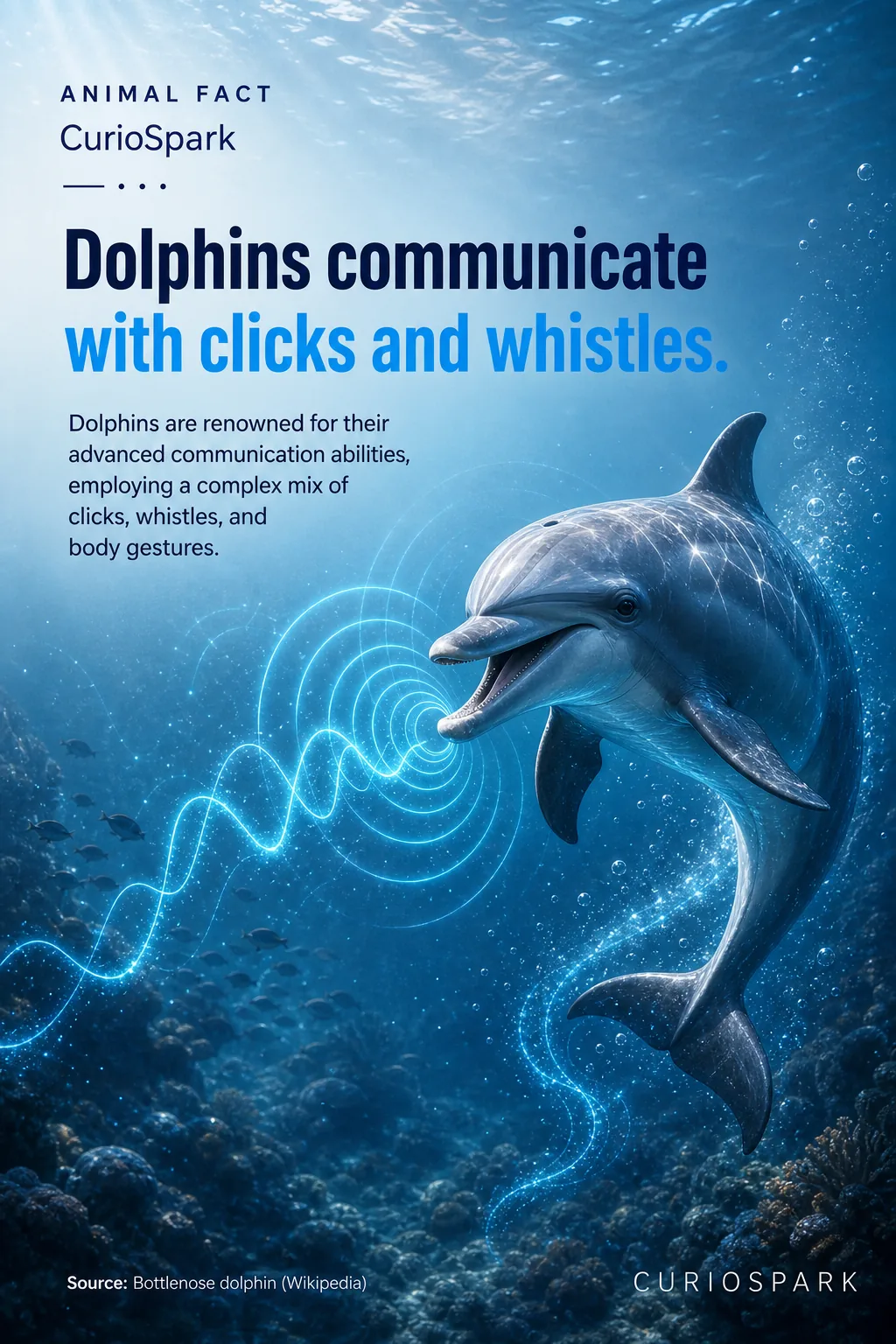
Dolphins communicate using clicks, whistles, and body language.
- Dolphins are renowned for their advanced communication abilities, employing a complex mix of clicks, whistles, and body gestures.
Dolphins are renowned for their advanced communication abilities, employing a complex mix of clicks, whistles, and body gestures. The clicks serve a dual purpose; they are primarily used for echolocation, allowing dolphins to navigate and hunt effectively in often murky waters. These clicks bounce off objects, enabling dolphins to 'see' their surroundings through sound. On the social front, whistles play a crucial role. Each dolphin possesses a unique whistle akin to a name, helping individuals recognize each other within a pod, crucial for maintaining social bonds and group coordination. Meanwhile, dolphins don't limit themselves to sound alone. They also utilize body signals such as leaping, slapping the water, and even nudging each other, which form a silent but significant part of their communication repertoire. These gestures can relay emotions or things like asserting dominance or signaling distress. This sophisticated blend of auditory and visual signals highlights the intricate social structures and cognitive abilities of dolphins, enabling them to thrive in dynamic marine environments. Whether navigating the ocean or engaging in social interaction, dolphins have mastered the art of communication, making them a fascinating subject of marine research.


Comments
Post a Comment