Soccer's evolution: from animal bladders to modern balls.
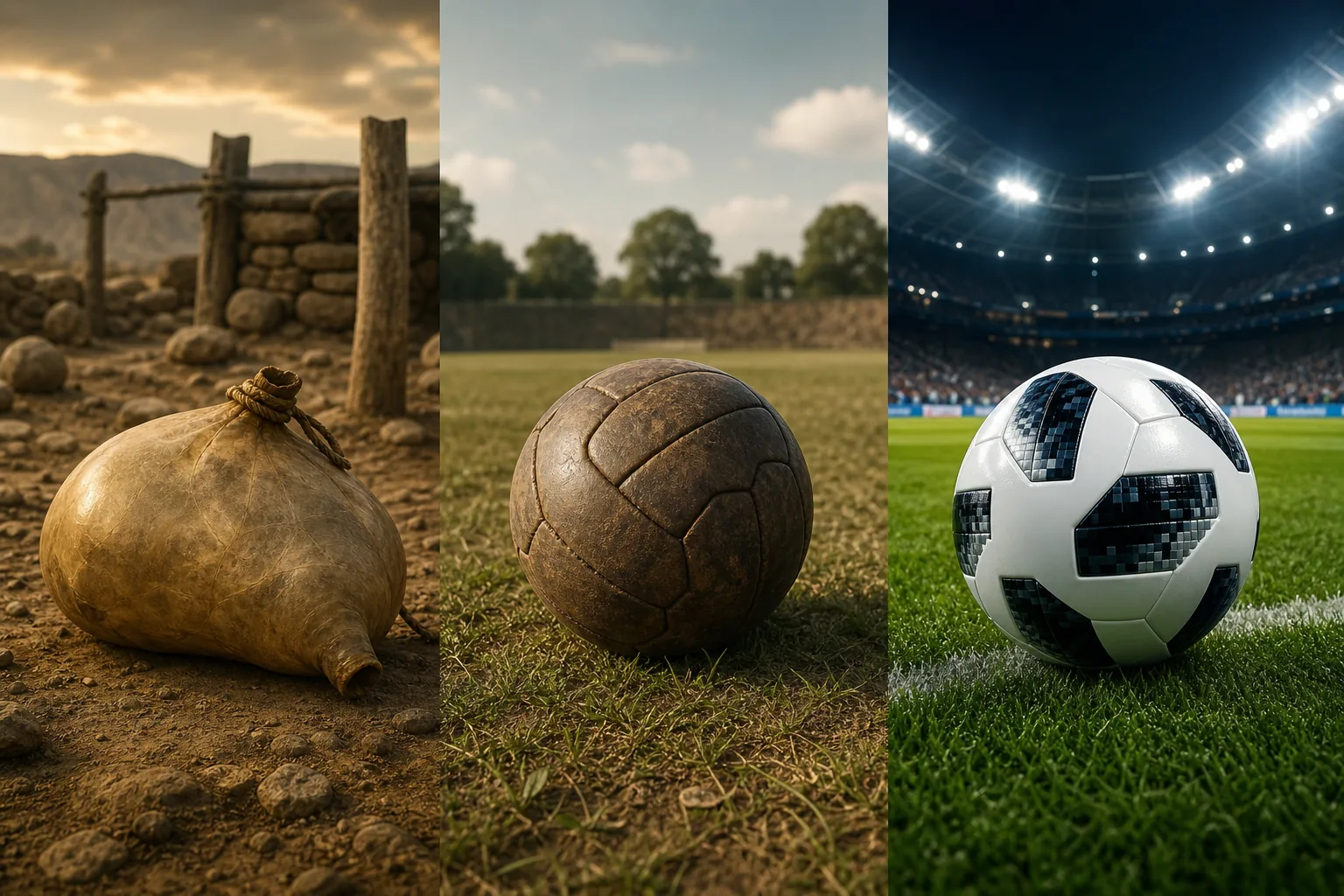
The soccer ball has come a long way from its humble origins. Initially, early versions of soccer balls were nothing more than inflated animal bladders that primitive communities used to kick around. As crude as it sounds, these bladders served as playable objects due to their round shape and flexibility. Fast forward to the 19th century, the invention of vulcanized rubber marked a significant turning point in the evolution of the soccer ball. With the development of more durable materials, manufacturers could create rounder and more resilient soccer balls, suitable for various weather conditions. The industrial advancement ensured consistency in ball production. ** It wasn't until the 20th century that the soccer ball witnessed another major evolution. As international competitions like the World Cup gained popularity, there was a growing need for a universally standardized ball that ensured fairness in play. Subsequently, rules were enacted to regulate the size, weight, and material of the soccer ball, ensuring that each game was played with a consistent, standardized piece of equipment. This transformation from primitive animal bladders to the modern soccer ball reflects not only technological advancements but also a drive for fairness and uniformity in global sports.**


Comments
Post a Comment