Neurons communicate through electrical signals, shaping brain functions.
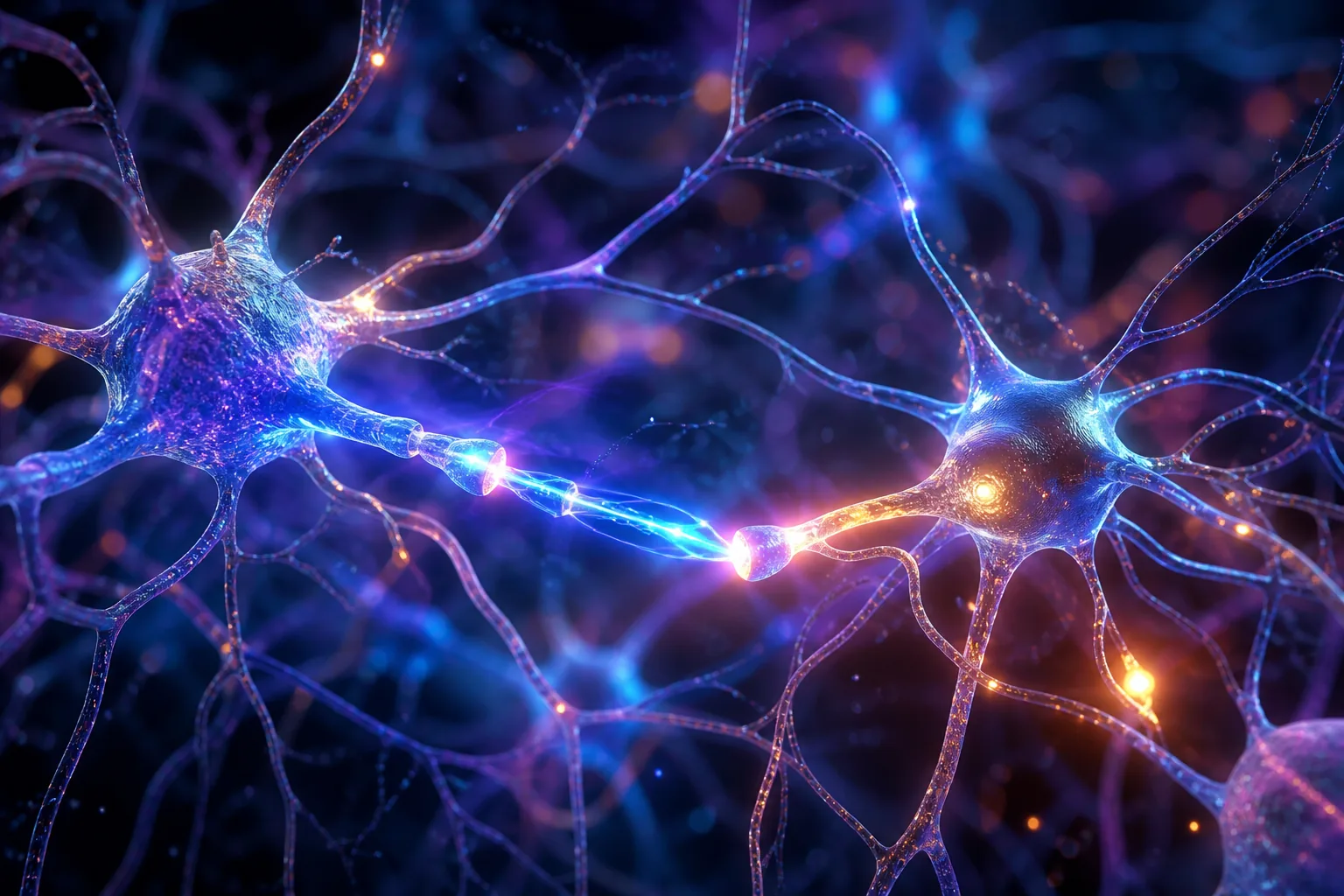
The human brain is a lively orchestra where neurons, or nerve cells, communicate using a special language made up of electrical impulses called action potentials. These signals are vital for transmitting information across synapses, the tiny gaps between neurons. Once an action potential reaches a synapse, it triggers a cascade of events that either activate or inhibit the next neuron in the network. This intricate process forms the basis of our brain's complex functions such as memory, learning, emotions, and reasoning. Over millions of years, the human brain has evolved into a sophisticated structure, featuring a myriad of neural connections that enable diverse functionalities. Each neuron plays a crucial role akin to a musician in an orchestra, where every note or signal matters in creating a cohesive symphony. The study of biological neuron models aids scientists in grasping how these electrical signals traverse neurons, offering profound insights into neural communication. This fundamental understanding is indispensable, particularly when addressing neurological disorders that occur when communication between neurons breaks down. By unraveling the mysteries of this electric symphony, researchers can pave the way for innovative treatments that restore harmony in disrupted neural pathways, enhancing overall brain health.


Comments
Post a Comment