Penguins Survive Extreme Cold with Feathers, Fat, and Friendship.
Penguins Survive Extreme Cold with Feathers, Fat, and Friendship.
- Penguins use dense feathers, a thick fat layer, and communal huddling to keep warm in icy environments.
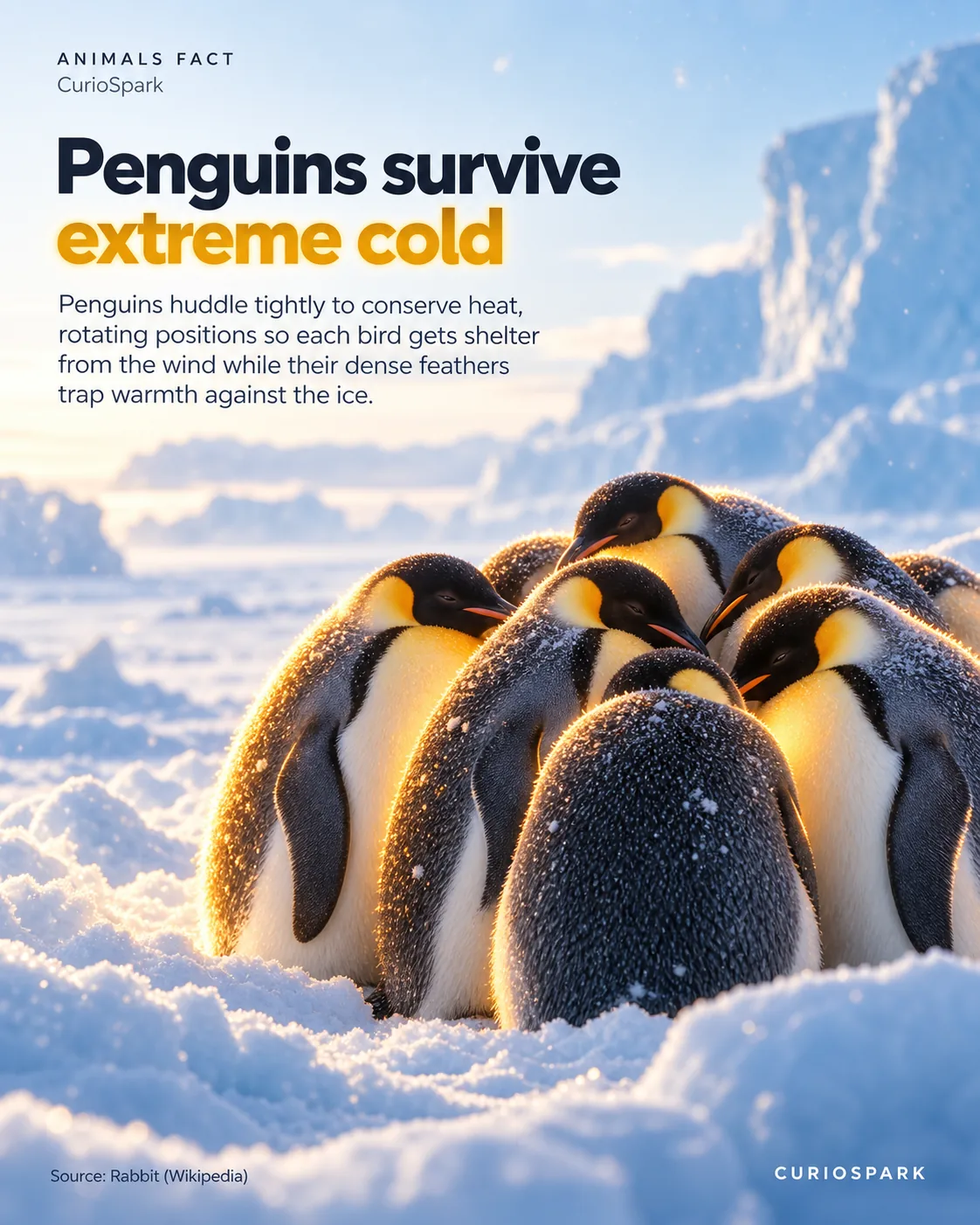
Penguins are incredible animals that have thrived in some of the planet's most unforgiving climates. Living in regions where temperatures can plummet far below freezing, these flightless birds have developed unique strategies to keep warm. Central to their cold endurance are their dense layers of feathers. Unlike many other birds, penguins possess tightly packed feathers that are highly effective at trapping warm air near their skin, creating an insulating barrier against the chill outside. Beneath their feathers, a thick layer of fat provides further insulation, much like a built-in jacket, keeping their body heat from escaping into the icy cold environment. Social behavior also plays a crucial role in their survival tactics. In particular, huddling is a communal strategy where groups of penguins cluster closely together, swapping positions from the outer edges to the center. This collective effort dramatically reduces each penguin's exposure to harsh wind and cold, conserving collective heat much like a living, breathing blanket. By combining these physical adaptations with social ingenuity, penguins ensure they stay remarkably warm, making these birds remarkable examples of evolutionary adaptation.


Comments
Post a Comment